Chinese Electric Cars Are Reshaping the World. Except in America.

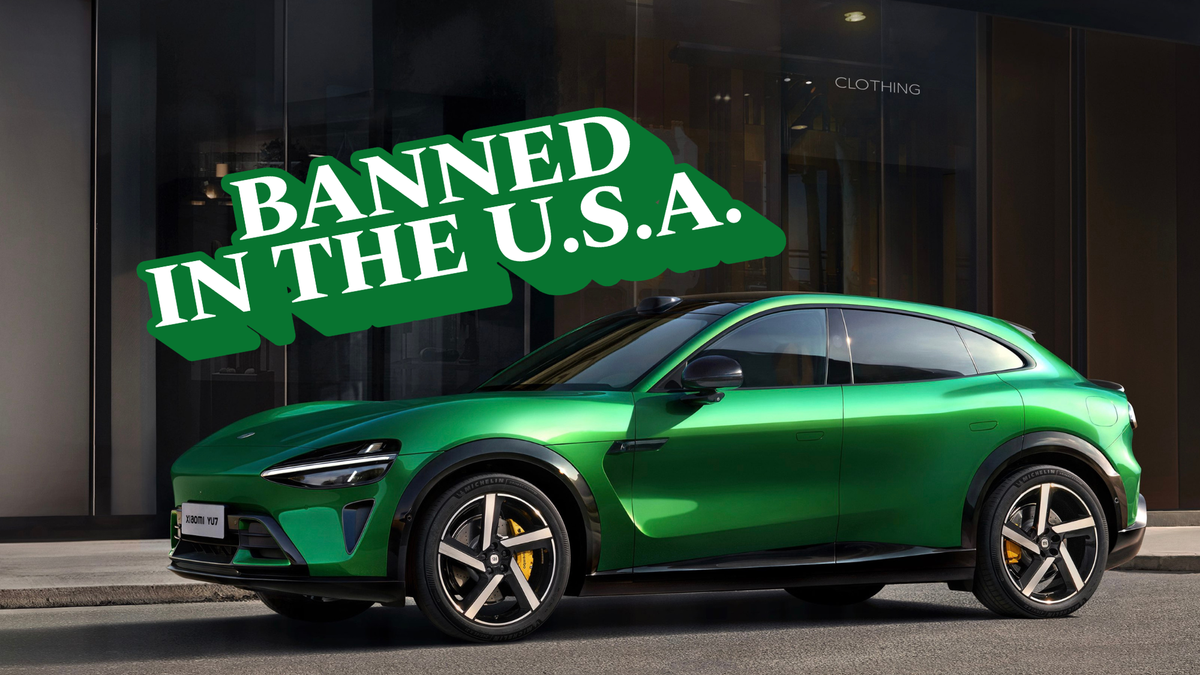
Let's imagine a client completing the Lanekeep onboarding questionnaire and saying they're seeking a two-row EV, tech-forward, with a budget under $50,000. And let's imagine there's a car I could get them into with these specs, at that price:
- Over 450 miles of range
- 0-60 miles per hour in a hair over 3 seconds
- Charges 10-80% in 12 minutes
- Air suspension
- Huge 1-meter infotainment screen
- $8,000 less than a similarly equipped Tesla Model Y
- Far and away exceeds performance, charging, and range of any competitor
See, thing is, this car exists. It's the YU7, made by upstart Chinese automaker Xiaomi. But currently you can only buy one in China (after enduring a substantial wait list). Soon, you'll be able to get one in Europe and Australia. North America? Who knows? Probably never. It’s a topic that’s hotter than a dish full of Sichuan peppercorns. Where should you net out on the subject? I have my own take, but let’s run through the facts first. As we proceed, consider this: In a world where the Xiaomi YU7 exists, don’t you want to live in a country where you can buy a car just like it?
So, why “never” to Chinese cars? Sen. Bernie Moreno (R-Ohio), a car dealer himself, is spearheading legislation to keep Chinese automakers out of the American market. He believes that the Chinese auto industry’s goal is not competition with Western brands but destruction. “The Chinese auto industry was not created to compete with Ford or GM or Toyota or Honda,” he said in a recent interview with Car Dealership Guy. “They were built to destroy those companies.”
How? China’s auto companies are state-supported, with subsidized labor costs, few environmental regulations, and capital subsidies that give them an unfair advantage over manufacturers that operate in Western democracies. This is how Chinese brands are able to price their products well below other competitors.
Next, per Moreno, Chinese automakers already have a history of disrupting car dealership networks in other countries. After making initial deals with local dealerships to begin selling cars in those territories, some Chinese brands abruptly shifted to direct-to-consumer models. Moreno’s legislation enforces a commitment to defending the traditional dealer franchise system.
Finally, Moreno believes the competition among car brands in the U.S. is already healthy enough without Chinese brands entering the fray. “Talk to Ford and see if they don’t think GM’s a competitor. Ask GM if they don’t think Toyota is a competitor. Ask Mercedes if BMW is not a competitor,” he told Car Dealership Guy. “It’s not like they’re going to be complacent and we’re going to turn every Western auto company into Lada,” the brand of cars made in the Soviet Union during the peak of the Cold War, when they kept Western cars out of their market. They were so bad, they became a global punchline. “There’s lots of competition,” Moreno assured. “It’ll be fine.”
Here’s the thing, though. In ten years, American cars might not be a punchline, but they could very well be just “fine,” to use the Senator’s own word. Even right now, as I’m writing these words, we live in a timeline where technology in several mainstream Chinese cars greatly exceeds what mainstream American brands can muster. I'm all for giving American automakers time to catch up. I'm not for removing their reason to bother. Instead, we appear to be keeping out competition so we can be “fine.” That hardly seems like American exceptionalism to me.
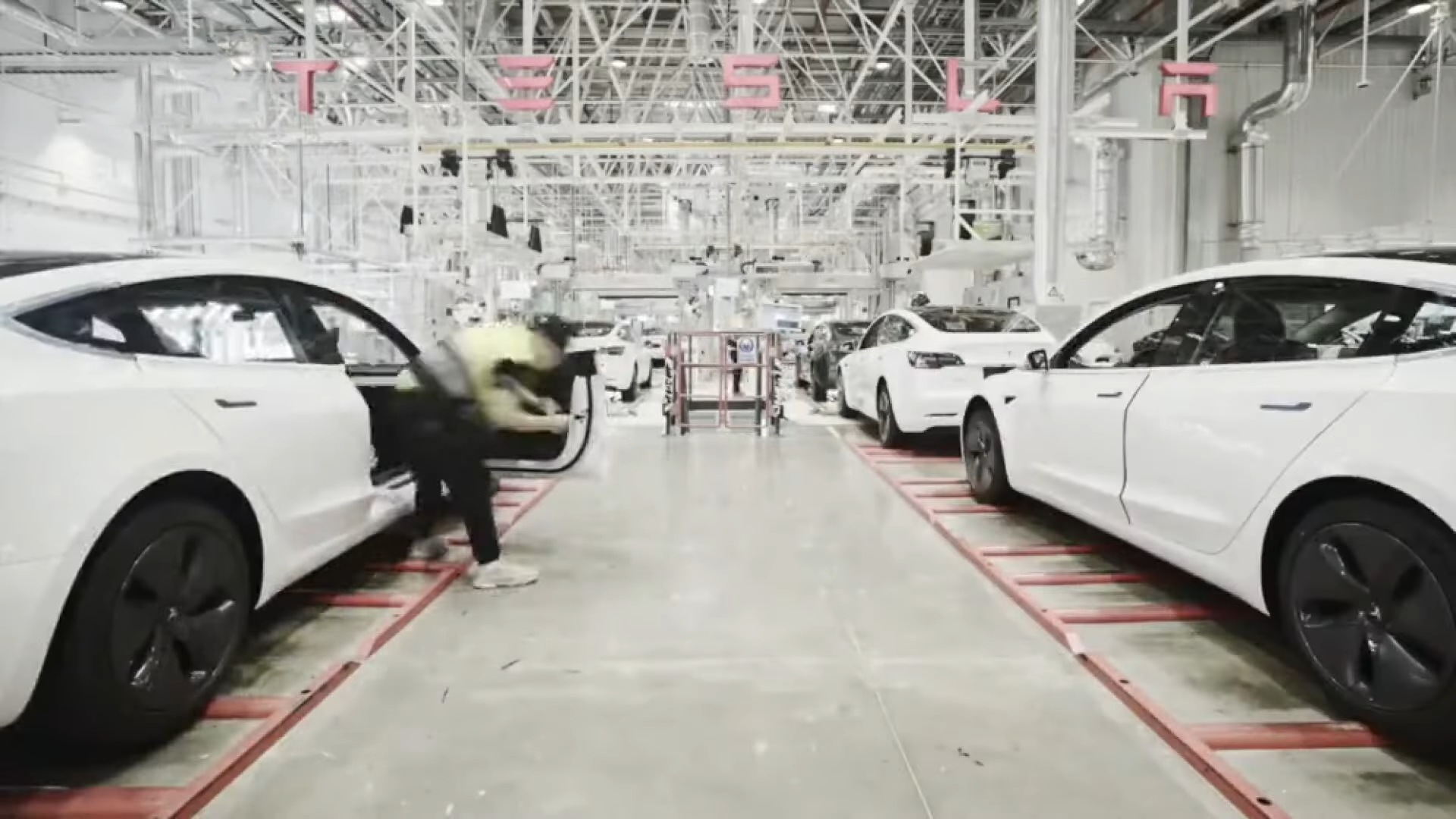
The one American company that knows more about this subject than anyone is Tesla, and, in fact, Tesla’s ability to innovate with electric cars is, in some ways, responsible for the Chinese advancement in EVs. Ethan Robertson maintains the Wheelsboy channel on YouTube and there are few Americans with greater knowledge of the Chinese auto market. Robertson lives in China reviewing everything the country offers, auto-wise, and I found his recent appearance on Motor Trend’s The InEVitable podcast particularly insightful about the state of Chinese automotive innovation.
Robertson looked back at how Tesla’s arrival in China lit a fire under that country’s automakers, helping them transition from Western car copycats to electrification innovators. Tesla was the first foreign automotive company allowed to establish a wholly foreign-owned factory in China, breaking the prior model that required a 50/50 joint venture with a Chinese company. This was a significant and strategic move by the Chinese government, Robertson suggests, designed to stimulate competition in the Chinese EV market and encourage local automakers to learn from Tesla’s technology and manufacturing standards.
What happened next? “All the big Chinese OEMs [now] have a vehicle that's within 1 to 2 millimeters of either the Model Y or the Model 3,” Robertson said. And while Tesla, per Robertson, is still in the top 3-5 in terms of consideration for most Chinese buyers, “There are plenty of Chinese consumers who are going, ‘Why would I spend 20% more on a Model 3 when I can get this Chinese car that has more features, more range, more infotainment stuff that’s designed specifically for Chinese tastes?’”
Yes, the Chinese government’s involvement totally puts a thumb on the scale in favor of the Chinese brands. But, while the newcomer local brands duke it out for supremacy — there are close to 100 car companies operating in China right now — some shoppers see Tesla as a brand with longevity and would rather spend their hard earned money there, feeling safer about their purchase. “There’s still a trust and a faith in Tesla that they’re making a higher quality product,” per Robertson. “They’re not going to go anywhere.”
Now, on the dealership front, I certainly wouldn’t want to see American showrooms undermined by shady practices from any upstart brands as we saw in other territories. But, we all know dealerships can do a lot better. It’s why Lanekeep exists: The car buying experience is broken in so many ways, to the point where many people would rather pay me to do it for them instead of setting foot inside a dealership.
Tesla, along with brands like Rivian and Lucid, have pushed the direct-to-consumer model here in the States, as have used car startups like Carvana. When shoppers hear about legislators like Moreno fighting these disruptors on the Hill and others, like VW dealers, fighting them in court, it seems counterintuitive to a marketplace where there’s actual choice. I'm all for protecting American industry. I draw the line at protecting it from having to try.
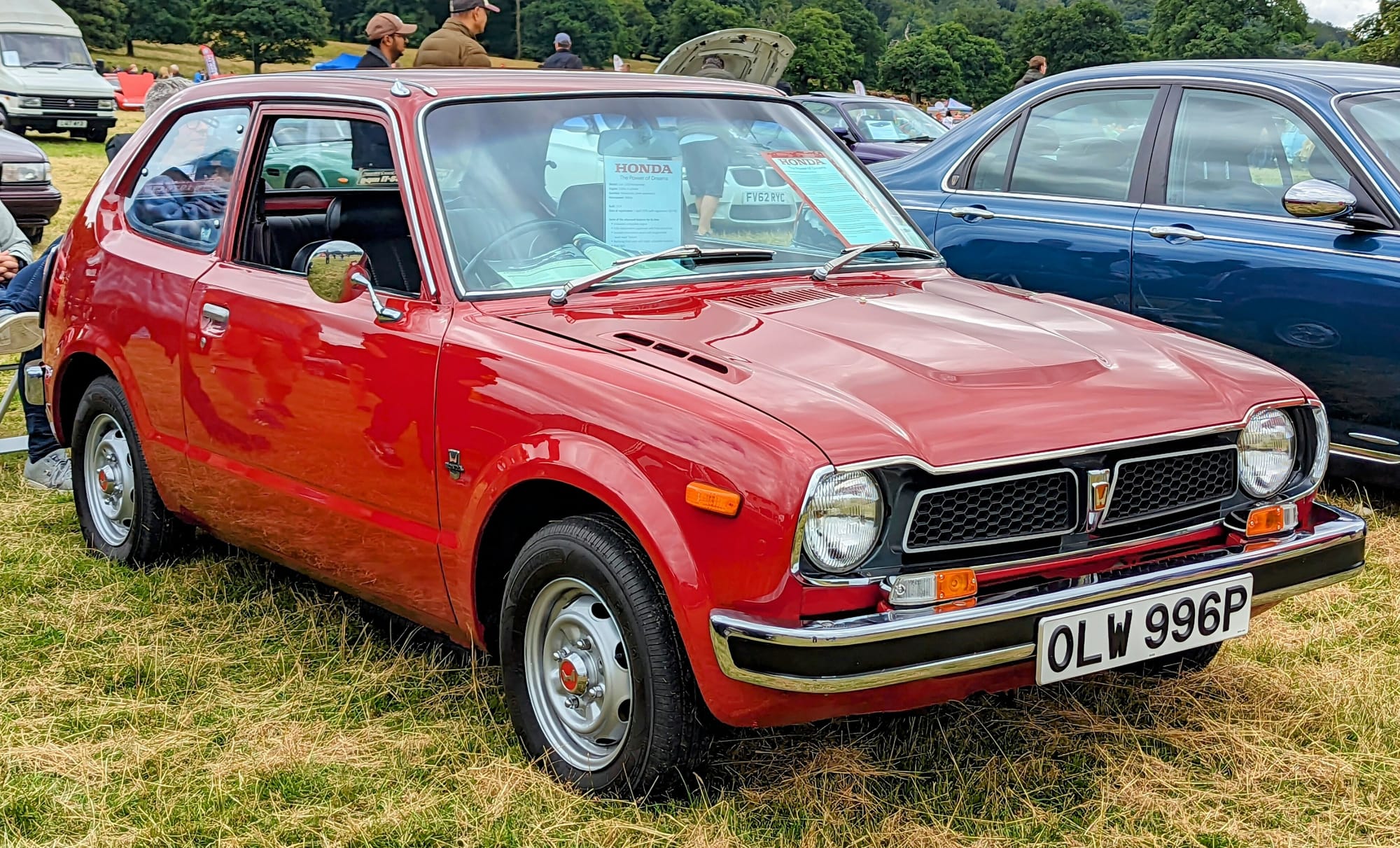
This isn't a new story. Japanese automakers entered the American market in the 1970s with cheaper, more fuel-efficient cars and Detroit screamed bloody murder. But the true end result? Ford, GM, and Chrysler built better cars. Samsung's entry into consumer electronics forced Sony to innovate faster and price more competitively — the products we own today are better because of that pressure. Harley-Davidson, facing extinction from Japanese motorcycles in the early 1980s, lobbied for temporary tariff protection — and used that window to actually fix their motorcycles. The common thread: competition, even uncomfortable competition, tends to produce better things for the people buying them.
Let’s take the current administration at its word that repealing the $7,500 EV tax credit last year was about choice, creating an even playing field for all types of vehicles. Keeping Chinese cars out shrinks the market in two directions: American buyers lose access to compelling vehicles they can't buy, and American automakers lose the pressure to build ones that could compete with them.
On social media, I’m seeing a big uptick in the adoption of electrified powertrains during the current gas crisis and, for the most part, people love it when they switch — which the data backs up. Very few people go back to gas once they’ve gone electric. Yet for those of us who desire electric vehicles, we’re likely looking at a marketplace with decreasing options, and variety that will pale in comparison to the rest of the world.
There's one legitimate concern worth addressing directly: data privacy. Chinese-made connected vehicles collect the same kind of sensitive location and behavioral data that every modern car does, and there are reasonable national security questions about where that data goes. The US government has already begun addressing this separately from tariffs — regulations restricting Chinese and Russian software and hardware in connected vehicles are phasing in starting with 2027 models. That's a reasonable policy response to a real concern. But it's a distinct conversation from whether Americans should have access to better, more affordable electric vehicles. The two questions are being conflated, often deliberately, by people who have other reasons to keep Chinese cars out of the market.
Also, Chinese cars would still need to meet US safety standards, just like every other import. Recent independent testing in China showed mixed results on driver assistance systems across the board — including some surprises in both directions. That's what regulation is for.
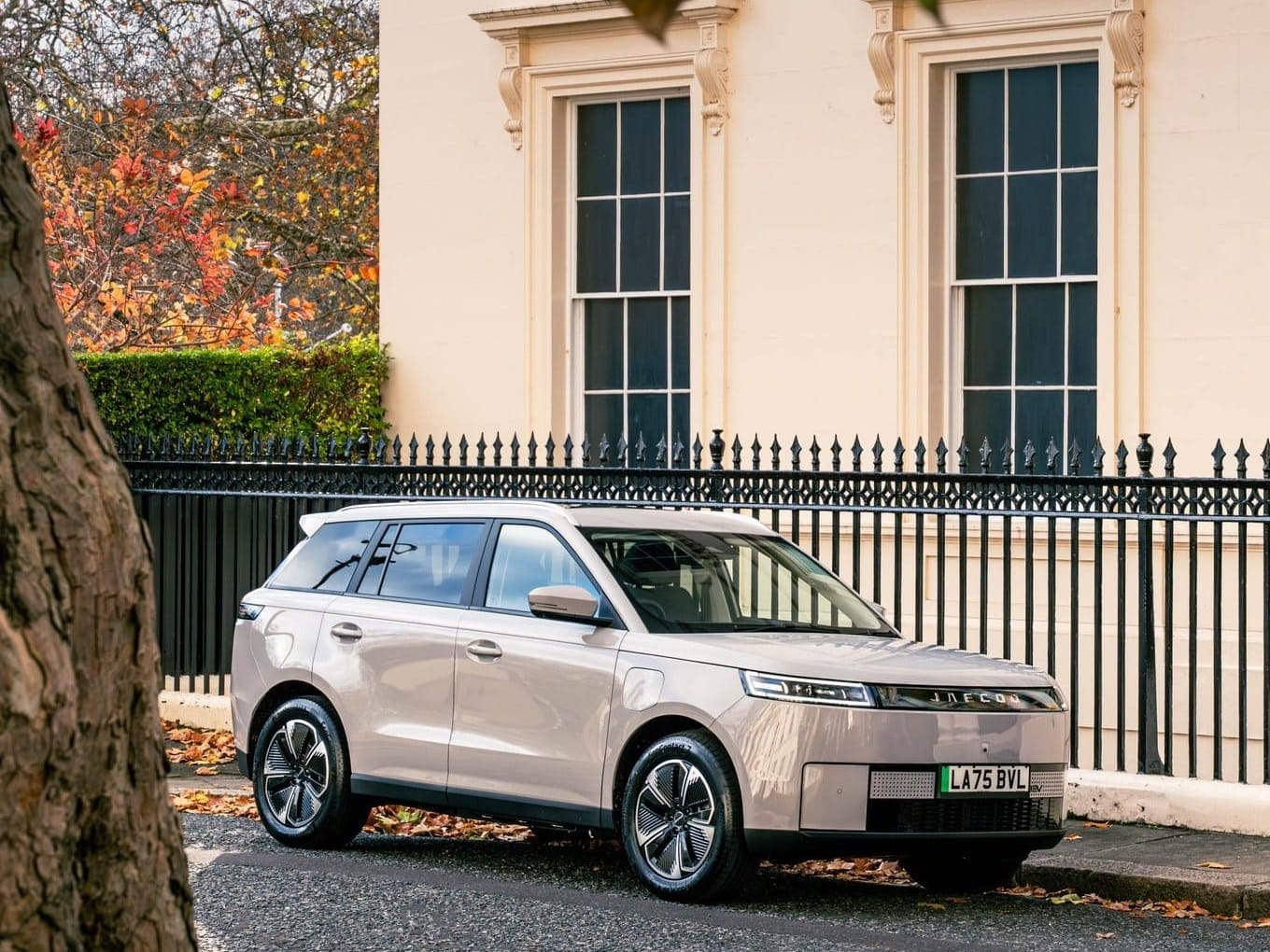
Meanwhile, the UK government’s stance? Let’s not fear Chinese competition. They’ve imposed a 10% tariff on Chinese imports and opened the market to Chinese cars. The impact on their local market has been a win-win for consumers: Per Electrek, EVs are now cheaper to buy upfront than gas cars in the UK, thanks in large part to the availability of lower-cost Chinese EVs, which have forced every other brand to compete on price. And, other brands are bringing more models to the UK market whereas brands are pulling EVs from the US market and we're not even getting ones like the two World Car Award winners — the Mazda EZ-6 and NIO Firefly, both Chinese market models.
Where’s our “Made in the USA” spirit? You could say Tesla, Rivian, and Lucid have got it. But the rest of the American manufacturers aren’t making, or planning to make, cars the world wants to buy. Just “fine” ones. Our government is fighting so we can’t import compelling cars from elsewhere. Where does that leave American consumers? Fewer choices, and worse ones, at that.
I hear “It’s fine” was the tagline down at the local Lada dealership.
You may not be able to buy a Xiaomi YU7. But the right EV for your life exists — and Lanekeep will find it. Book a free consultation at lanekeep.com.