New EV Sales Are Tanking — So It's The Perfect Time To Buy...Used


Last month was the best month ever for retail sales of electric vehicles, but there’s a big asterisk. EVs made up a whopping 12.9% of the new car market, by far their biggest month ever. But behind this surge were hundreds of thousands of car shoppers rushing to beat the clock on the federal EV tax credit, a $7,500 bonus to qualified buyers and lessees that expired at the end of that month after many years of fueling adoption of battery-powered vehicles.
A month later, J.D. Power is forecasting an immediate, brutal 59.9% collapse in EV volume for October, dropping market share to 5.2%. Oof. I saw a video on my YouTube feed proclaiming, “IT’S OVER,” re: the EV boom in America.
Just two weeks ago, however, I listened as a panel of industry experts characterized the EV market’s volatility not as a crisis, but a "pit stop," a necessary market recalibration that might be painful for the auto industry, but actually presents an exciting opportunity for aspiring EV owners who have been patiently waiting for affordability to arrive.
So, which is it? My take: I think the market isn't collapsing; it's evolving into an environment where smart buyers finally win.
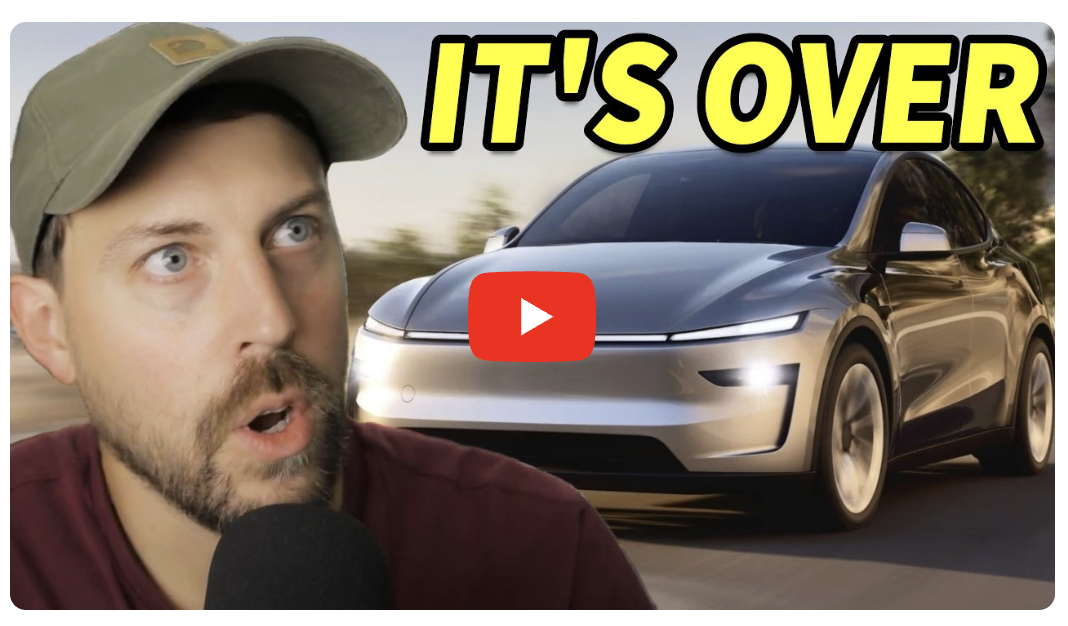
Okay, first let’s have a dutiful, capital-R “Reality Check,” courtesy of YouTuber Kirk Kreifels, a former car salesman whose thoughtful, thorough coverage of the auto industry is a regular watch for me, and who made the “IT’S OVER” video. (See, I binge-watch car content so you can binge-watch prestige TV; you’re welcome!)
In Kirk’s analysis, the massive month-to-month EV sales drop confirms something I’ve long lamented, that high retail costs of EVs have been one of the primary factors limiting widespread adoption. The now-expired tax credits, applied to purchases and leases, made expensive EVs much more affordable, so unsurprisingly, at their current sticker prices, they’re a much harder sell. In anticipation of a softer market, manufacturers are now "shutting plants down" and "massively scaling down their EV production volume" because the high-price, incentive-fueled segment is unsustainable, in Kreifels’ estimation. Some, like Hyundai, slashed prices on their EVs, moving them close to pre-incentive pricing.
So, on one hand we have expensive EVs that are no longer incentivized. On the other, our market currently lacks a variety of affordable new EV options, like the ones coming out of China and being sold in most places around the world — except here. "If these EVs cost 15 to 20 grand like they do in China, we would still be seeing strong EV adoption,” says Kreifels. “But they cost three, four, five, six times what they do in China."
The Chevy Equinox EV gets closer to the entry-level mark, as does the promising new Nissan Leaf. We’ll see about the upcoming Slate pickup truck and refreshed Chevy Bolt. But our new EV market is still overly saturated with models running $50,000 and higher, and that’s just not working for many Americans unless they commit to excessive, long-term loans.
It’s going to take time for the market to "rebound healthier, driven by better products and affordability,” Consumer Reports’ Chris Harto said at the Electrify Expo Industry Day event earlier this month.
In the meantime?
The best entry point to EV ownership is pre-owned.
"Expect a huge focus on the used EV market over the next 5-6 quarters," said panelist Liz Najman of Recurrent, a company whose products help shoppers, owners, and dealers find more transparency and confidence in electric car transactions. "You can get 2024 models, less than two years old, for almost 50% off original price."
And these cars can be awesome, packed with modern technology and driver assistance features, plus 6-7 years remaining warranty on the battery and powertrain for peace of mind. Remember — they were basically luxury-level when new. Now, they’re the same cost as an entry level Toyota RAV4. Mainstream buyers are no longer priced out of EV ownership.

Let me share two examples of the value I’m talking about. Take the Honda Prologue EV, one of the more popular crossover-style electric cars of the last two years. It shares its battery architecture with a host of cars from Cadillac, Chevy, and GMC, plus it has attractive Honda styling and 283 miles of range. New, this top-of-the-line Elite trim had a sticker price of $59,805, but with 6,000 miles on it, it’s listed for $33,900 today.
Or the Polestar 2, one of my favorite “drivers’ cars” in the EV segment. Polestar is an electric-only brand, spun out of Volvo by its Chinese parent company, Geely. Launch Edition 2021 models with 233 miles of range that retailed for over $60K new can be found around $25-26k these days. For a daily commuter you charge at home, that can’t be beat.
And while Kreifels suggests the market will turn to hybrids and plug-in hybrids to navigate "affordability, convenience, and infrastructure realities," data shows that once shoppers are exposed to the EV lifestyle, 90% of them don’t go back to gas cars, per Najman.
“EVs are here to stay. They’re not going away. Most recent surveys put loyalty and retention rates above 90%. Once you go electric, you don’t go back.”
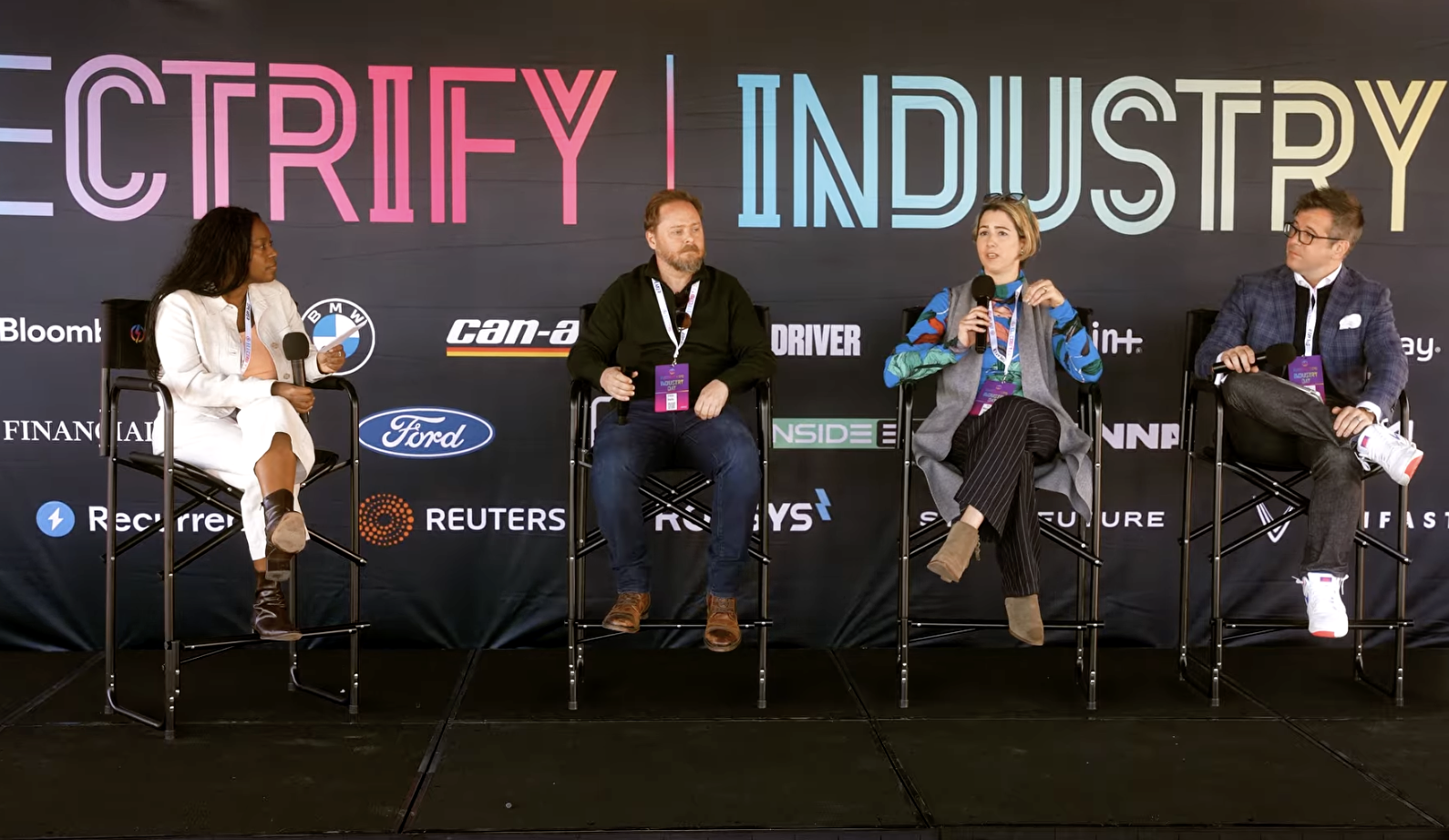
“Data and education don’t change minds — exposure does,” she said at Electrify Expo. “Every ride in an EV demystifies it. People need to experience EVs to feel comfortable, not just be told about range.” That’s the thing. Once folks experience the benefits of an electrified driving lifestyle (of course making sure it works in all the ways they need a car to work for them), the vast majority want to stay plugged in for life.
(By the way — I’m not here to knock hybrids at all. As I’ve written about in the past, if just 25% of Americans switched to a hybrid in the same vehicle class they’re already driving, we’d be on our way to Scandinavian levels of emission reduction. And they’d be saving a ton in fuel costs, even with a hybrid costing more money initially than a standard gas car.)
The EV market is indeed in a period of intense volatility — but I agree that it’s a "pit stop.”
The removal of the $7,500 tax incentive will ultimately force manufacturers to meet demand with affordable solutions in the long-term — as long as demand continues to exist. But for now, don’t twiddle your thumbs waiting for the long promised “cheap Tesla.” The used EV market is a super practical, financially sensible entry point for millions of Americans.
The good news is — there’s amazing value out there right now, and, if you want to snag a fabulous pre-owned EV, you don’t have to navigate your search alone.
I specialize in helping clients locate, assess, and negotiate the best deals on the rapidly growing used electrified market.
Would you like a free 30-minute consultation to discuss which used EV or PHEV is the right "strategic pit stop" for your budget?
Click here to schedule one today and learn more about Lanekeep.